


What Is an Inguinal Hernia?
An inguinal hernia occurs when tissue usually part of the intestine pushes through a weak spot in the abdominal muscles. This results in a visible bulge in the groin area, which may become more noticeable when coughing, bending, or lifting heavy objects.
It is one of the most common types of hernias, especially in men, and while it may not always be immediately dangerous, it typically requires medical evaluation and, in many cases, surgical treatment.
Symptoms of Inguinal Hernia
The symptoms of an inguinal hernia can vary from mild discomfort to more noticeable pain. Common signs include:
- A visible bulge in the groin area
- Pain or discomfort, especially when lifting or coughing
- A heavy or dragging sensation in the groin
- Weakness or pressure in the lower abdomen
- Burning or aching sensation at the bulge
In some cases, the hernia may not cause pain at all, especially in its early stages.
Causes of Inguinal Hernia
Inguinal hernias occur due to a combination of muscle weakness and strain. The weakness may be present from birth or develop over time.
Common causes include:
- Heavy lifting without proper support
- Chronic coughing or sneezing
- Straining during bowel movements
- Pregnancy
- Obesity
- Previous abdominal surgery
- Aging-related muscle weakening
Men are more likely to develop inguinal hernias due to natural anatomical differences.
Types of Inguinal Hernia
There are two main types:
1. Indirect Inguinal Hernia
This is the most common type and is often congenital, meaning it is present from birth due to improper closure of the abdominal wall.
2. Direct Inguinal Hernia
This type usually develops over time due to muscle weakness, especially in older adults.
When Is an Inguinal Hernia Dangerous?
Although many hernias are not immediately life-threatening, complications can occur:
- Incarcerated Hernia: When the tissue becomes trapped and cannot be pushed back
- Strangulated Hernia: When blood supply to the trapped tissue is cut off (this is a medical emergency)
Warning signs include:
- Severe pain
- Nausea and vomiting
- Redness or discoloration at the bulge
- Inability to pass gas or stool
If any of these symptoms appear, immediate medical attention is required.
Diagnosis of Inguinal Hernia
Diagnosis is usually straightforward and involves:
- Physical examination by a specialist
- Imaging tests (if needed), such as ultrasound or CT scan
The doctor may ask the patient to cough or stand to make the hernia more visible during the exam.
Treatment Options
1. Watchful Waiting
If the hernia is small and not causing symptoms, the doctor may recommend monitoring it over time.
2. Surgical Repair
Surgery is the only definitive treatment and is recommended in most cases.
There are two main surgical approaches:
Open Surgery
A traditional method where the surgeon makes an incision in the groin and repairs the hernia using stitches or mesh.
Laparoscopic Surgery
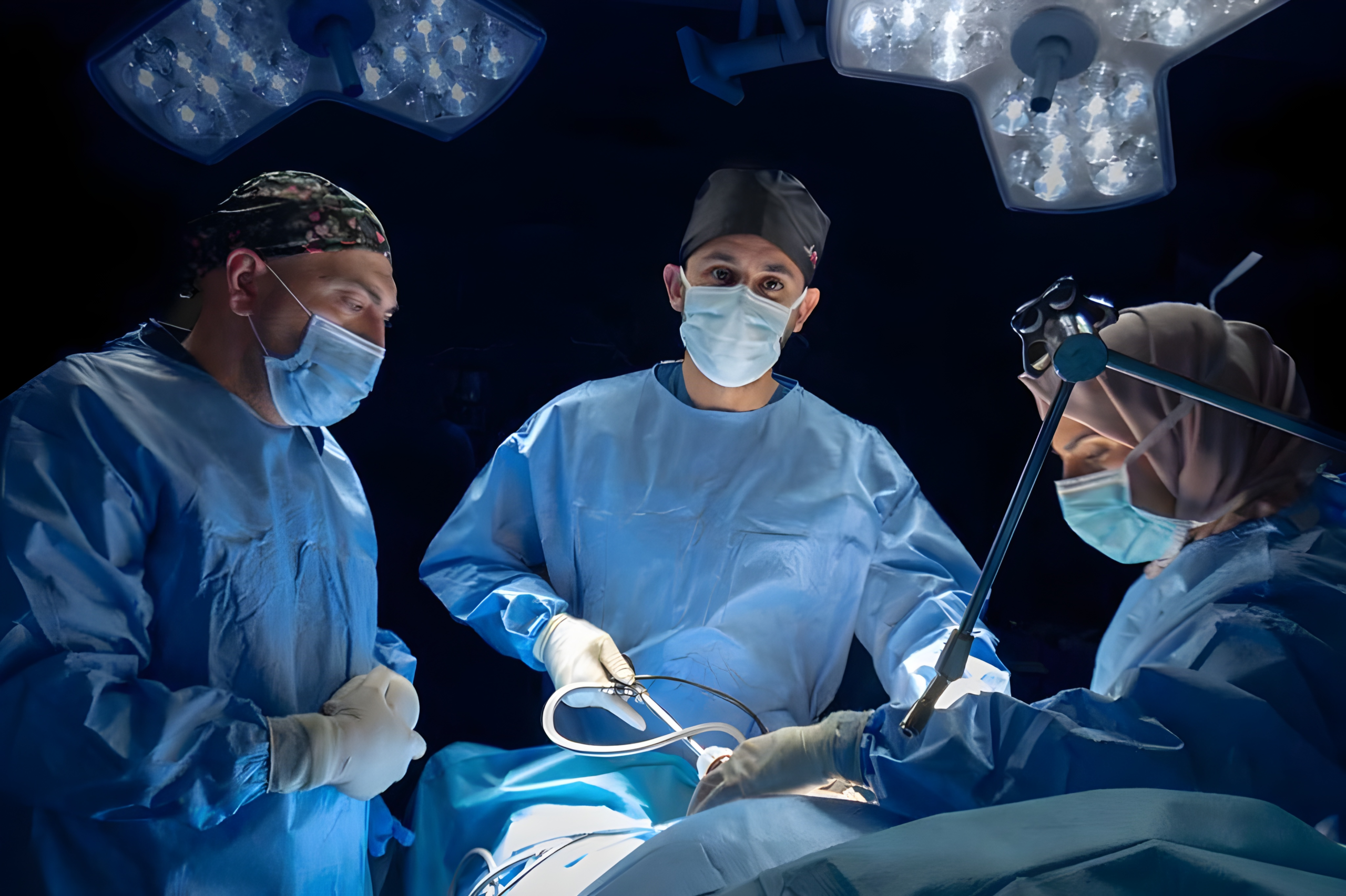
A minimally invasive technique using small incisions and a camera. It offers faster recovery and less post-operative pain.
Recovery After Surgery
Recovery time depends on the type of surgery:
- Most patients return to normal activities within 1–2 weeks
- Heavy lifting should be avoided for several weeks
- Full recovery may take up to 4–6 weeks
Following the doctor’s instructions is essential to prevent recurrence.
How to Prevent Inguinal Hernia
While not all hernias can be prevented, certain steps can reduce the risk:
- Maintain a healthy weight
- Avoid heavy lifting or use proper techniques
- Treat chronic cough
- Prevent constipation
- Strengthen abdominal muscles
Frequently Asked Questions
Is an inguinal hernia serious?
It can become serious if complications develop, but early treatment is highly effective.
Can an inguinal hernia heal on its own?
No, hernias do not heal without surgical intervention.
Is surgery always required?
Not always immediately, but most cases eventually require surgery.
How long does surgery take?
Typically between 30 minutes to 1 hour, depending on the method used.
Conclusion
An inguinal hernia is a common condition that should not be ignored. While it may start with mild symptoms, it can lead to serious complications if left untreated. Early diagnosis and appropriate treatment ensure the best outcomes and a smooth recovery.
If you notice any unusual bulge or discomfort in the groin area, consulting a specialist is the first and most important step.

